9 Myths and Facts about Food Pantries
Debunking common misconceptions about FFGE.
Think you know everything there is to know about food pantries, FFGE, and food insecurity? Let’s test your knowledge:
1) Food pantries only serve local residents.
Myth: We may have Elgin in our title, but you don’t need to be in our zip code to fill a shopping cart. Guests come to us from Waukegan, Rockford, Aurora, and even Chicago.
2) Food pantries are only used by people experiencing homelessness.
Myth: The vast majority of our guests are housed! Most come to us because they’re struggling to cover the combined cost of housing, utilities, medicine, and food.
3) Food pantries only give out pre-assembled boxes of food.
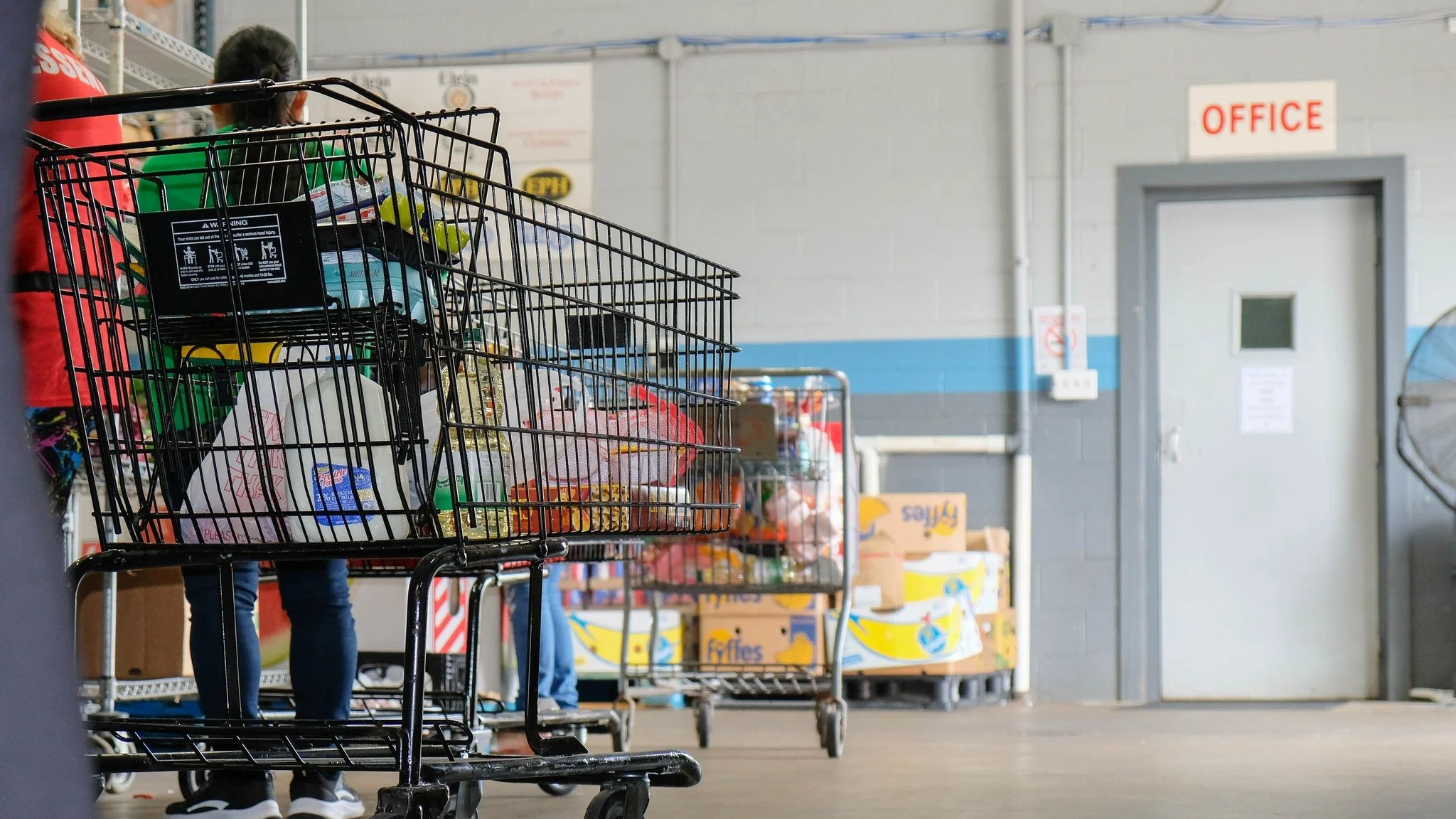
Myth: FFGE is a choice pantry, meaning guests shop for and select their own groceries, just like at any other store.
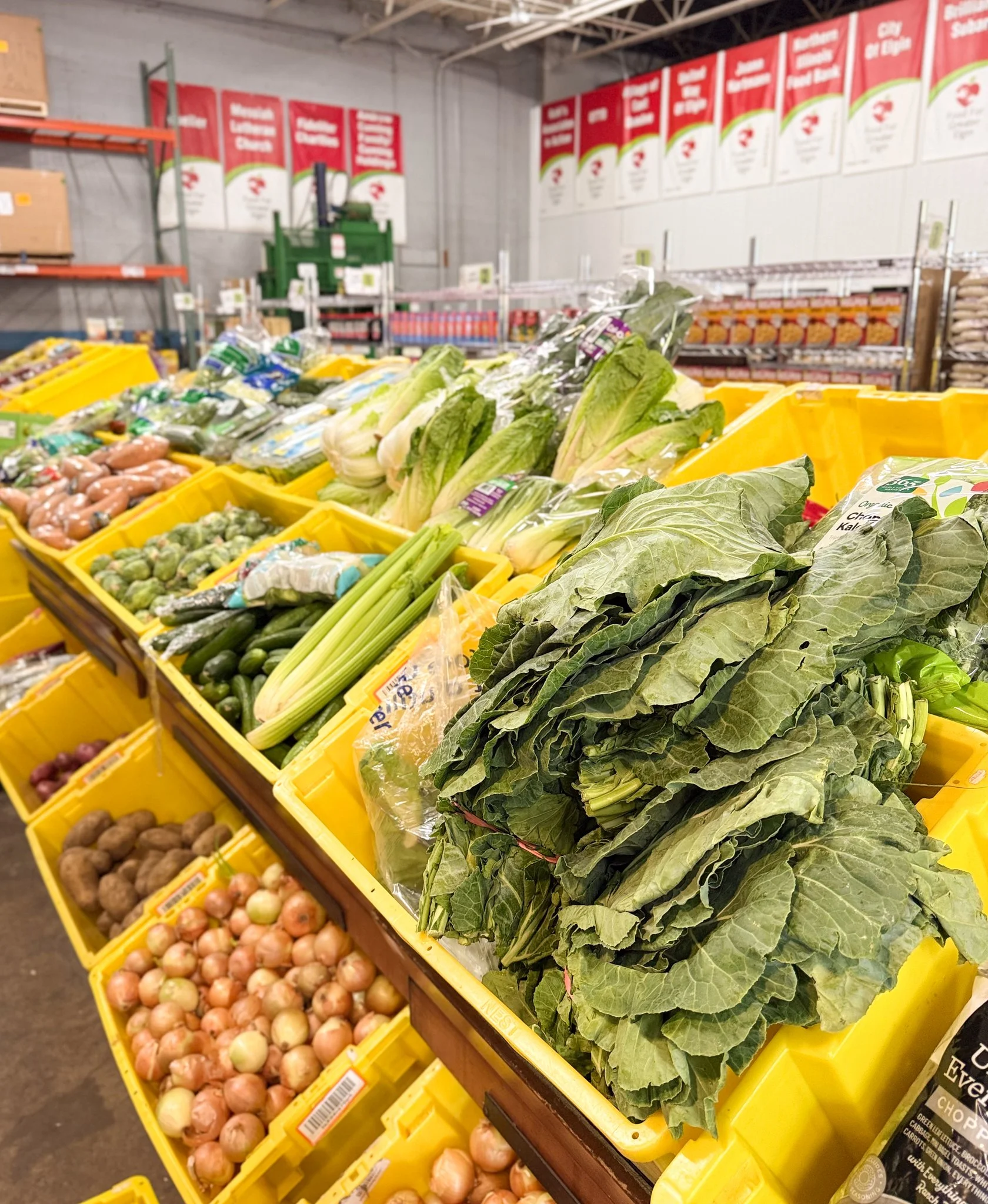
4) Food pantries distribute fresh fruit and vegetables, as well as meat and dairy.
Fact: Over 25% of our inventory is fresh fruits and vegetables; we also have dairy, eggs, and lean proteins. In a single visit, guests can fit up to 100lbs of food in their cart!
5) Food pantries are only for people who are unemployed.
Myth: Most of our guests have a job, but simply can’t cover everything with their income. FFGE helps bridge that gap.
6) Food pantries allow guests to shop once a week.
Fact: Guests of our pantry are welcome to shop every week, once per household.
7) Food pantries provide only food assistance.
Myth: With more than 20 partnerships, FFGE is so much more than groceries. We offer support with many social services, including immigration law, healthcare, job placement, and more.
8) Food pantries don’t require SNAP benefits for access.
Fact: FFGE is a private nonprofit; SNAP is a government service and not required to shop at our pantry.
9) Food pantries are for everyone, not just for people experiencing extreme poverty.
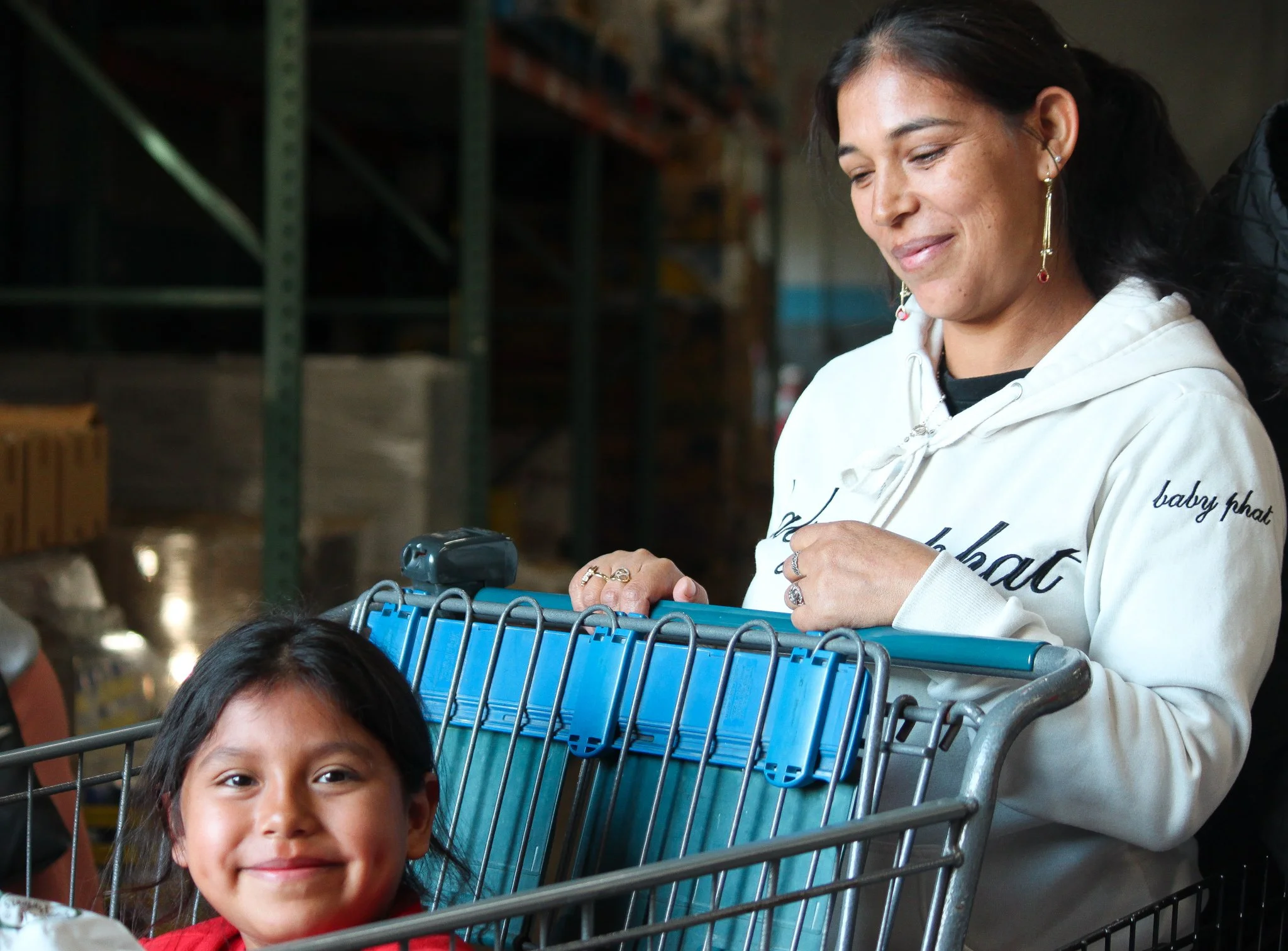
Fact: Most of our guests just need a little extra help. They’re single moms, seniors on fixed incomes, students, or neighbors facing temporary hardships like job loss or unexpected medical bills.
They leave our pantry with fresh food and renewed hope.